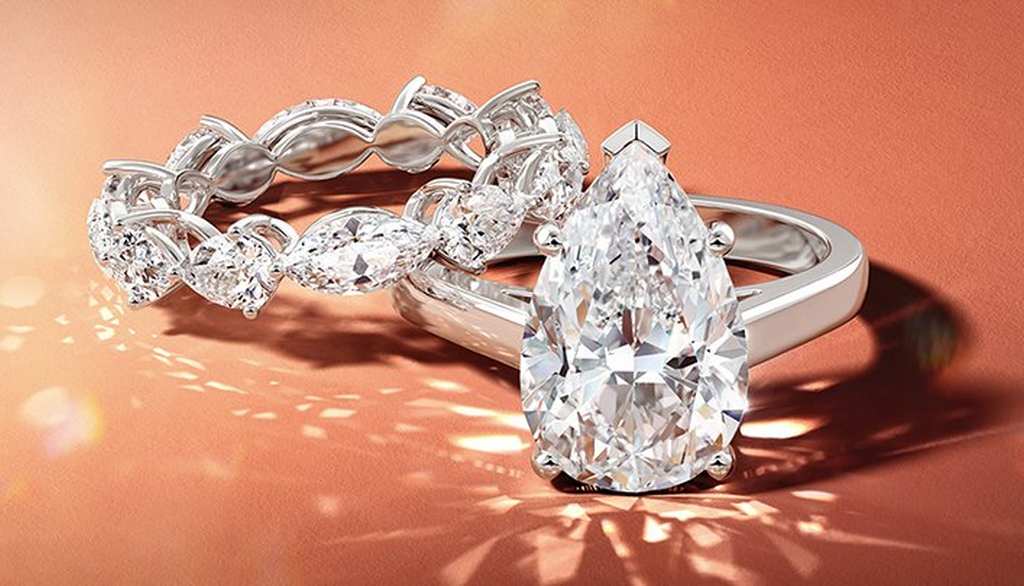

A white gold ring offers a clean, modern look without losing the warmth and value of real gold. Its bright finish works well for engagement rings, wedding bands, anniversary gifts, and everyday jewelry. White gold also pairs easily with many gemstones and personal styles.
Still, choosing the right piece involves more than finding an attractive design. Gold purity, alloy metals, setting style, maintenance, and stone choice all affect how a ring looks and performs. Understanding these details can help you choose jewelry that fits your lifestyle and budget.
What Makes White Gold Different?
Pure gold has a natural yellow color and is too soft for most everyday rings. Jewelers create white gold by mixing gold with lighter-colored metals. Common alloy metals include silver, palladium, nickel, and zinc.
The exact mixture depends on the manufacturer and the desired hardness or color. These added metals strengthen the gold and give it a lighter appearance.
Many pieces also receive a thin layer of rhodium plating. Rhodium is a bright, reflective metal from the platinum family. The coating gives jewelry the crisp white finish many buyers associate with white gold.
Because the plating sits on the surface, it can slowly wear away. This process is normal and does not mean the ring is damaged.
Choosing the Right White Gold Ring Karat
Karat tells you how much pure gold exists within the alloy. Two common options for rings are 14K and 18K.
14K White Gold
Fourteen-karat gold contains about 58.3% pure gold. The remaining portion consists of alloy metals that improve strength and help create its pale color.
This option works well for people who wear their jewelry every day. Its higher alloy content usually makes it more resistant to scratches and bending than higher-purity gold.
It can also cost less than 18K gold. That difference may leave more room in your budget for a larger stone or a more detailed setting.
18K White Gold
Eighteen-karat gold contains 75% pure gold. Its higher gold content gives it greater material value and a slightly richer appearance beneath the rhodium coating.
However, the metal can be somewhat softer than 14K gold. Owners should take extra care during sports, heavy work, or activities that could expose the ring to impact.
People choosing between the two should consider lifestyle as much as appearance. Frequent wear may favor 14K, while buyers who value higher gold purity may prefer 18K.
Why White Gold Works With So Many Stones
One advantage of white-colored metal is its ability to complement many gemstones. Its neutral appearance lets the center stone remain the visual focus.
Diamonds are a common choice because the bright setting blends well with a colorless or near-colorless stone. Buyers can also consider lab made diamonds if they want a diamond created through a controlled manufacturing process rather than mined from the earth. They have the same basic crystal structure and physical properties as mined diamonds.
White gold also pairs well with sapphires, emeralds, rubies, aquamarines, and other colored stones. Deep colors often appear especially vivid against the light metal.
The final result depends heavily on the setting. A simple solitaire highlights one center stone, while halo and pavé settings add more sparkle.
Popular Setting Styles to Consider
The setting determines how the stone attaches to the ring and influences its appearance, security, and cleaning needs.
Solitaire Settings
A solitaire uses one main stone as the central feature. The design looks simple and allows the center stone to receive most of the attention.
Solitaire rings also work with many stone shapes, including round, oval, pear, cushion, emerald, and princess cuts.
Halo Settings
A halo surrounds the center stone with smaller stones. This arrangement can make the center appear larger and add more brilliance.
Because halo settings contain more small stones and tight spaces, they may require more careful cleaning.
Pavé Bands
Pavé settings place small stones closely along the band. They create extra sparkle without requiring a larger center stone.
Buyers should inspect these rings regularly. Small stones can loosen if the ring receives repeated knocks or heavy wear.
Bezel Settings
A bezel wraps metal around all or part of a gemstone’s edge. It offers more protection than many traditional prong designs.
This style can suit people with active lifestyles because the stone has fewer exposed edges.
How White Gold Compares With Platinum
White gold and platinum can look similar, but they differ in composition, weight, price, and maintenance.
Platinum is naturally white and does not require rhodium plating to achieve its color. It is also dense, so a platinum ring usually feels heavier than a similar gold design.
White gold often provides a more affordable path to a bright metal appearance. However, its rhodium finish may eventually need renewal.
The best option depends on personal priorities. Someone who prefers a lighter ring may favor gold, while another buyer may prefer platinum’s natural white color and heavier feel.
What to Check Before Buying
A beautiful product photo cannot tell you everything about a ring. Buyers should review construction, materials, sizing, and seller policies before making a decision.
First, confirm the karat. Reputable jewelry should clearly state whether the piece uses 14K, 18K, or another gold purity.
Next, examine the stone setting. Prongs should look secure, symmetrical, and properly positioned around the gemstone.
Ask whether the piece has rhodium plating and whether the seller provides replating services. It is also useful to understand resizing, returns, repairs, and warranty policies.
For gemstone rings, request information about the stone’s quality and grading. Independent reports from recognized grading laboratories can provide useful details for higher-value diamonds.
Finding the Right Fit
Correct sizing affects both comfort and security. A ring should slide over the knuckle with slight resistance but should not feel tight once it reaches the base of the finger.
Finger size can change during the day because of temperature, activity, and natural swelling. For that reason, measuring your finger more than once can give a more useful result.
Band width also matters. Wider bands often feel tighter than thin ones at the same measured size.
If you are unsure, ask the jeweler whether the design can be resized later. Some detailed eternity bands and complex settings have limited resizing options.
How to Care for a White Gold Ring
Regular care helps jewelry maintain its finish and protects the stones from unnecessary wear.
For routine cleaning, use warm water with a small amount of mild dish soap. Soak the ring briefly, then clean hard-to-reach areas with a soft brush. Rinse carefully and dry it using a soft, lint-free cloth.
Avoid harsh household cleaners, chlorine, and abrasive materials. Chemicals and rough surfaces may affect metal finishes or damage certain gemstones.
Remove your ring before swimming, handling strong cleaning products, gardening, or doing heavy manual work. Keeping it in a separate jewelry box compartment can also prevent scratches from other pieces.
A jeweler can inspect the prongs, stones, and metal during periodic professional servicing. They can also restore the rhodium coating when the finish begins to look warmer or less reflective.
Matching the Ring to Your Lifestyle
Appearance matters, but daily habits should influence your final decision.
Someone who works frequently with their hands may benefit from a lower-profile setting. A bezel or sturdy prong structure can reduce the risk of catching the ring on clothing and objects.
People who prefer low-maintenance designs may choose simple bands or solitaire settings. More detailed pavé designs can look beautiful but usually require greater attention during cleaning and inspection.
Think about how often you plan to wear the piece. Jewelry intended for special occasions can prioritize fine details, while an everyday ring should balance style with practical durability.
A Practical Choice With Lasting Style
The best ring should fit your taste, budget, lifestyle, and expectations for maintenance. Understanding karat purity, rhodium plating, stone settings, and sizing makes it easier to compare options with confidence.
A well-made white gold ring can suit both simple and detailed designs while offering the value and character of genuine gold. Buyers can pair it with natural gemstones or lab made diamonds, depending on their preferences and priorities.
Choose quality construction over decoration alone. With sensible care and occasional professional maintenance, a thoughtfully selected ring can remain attractive and comfortable for many years.