

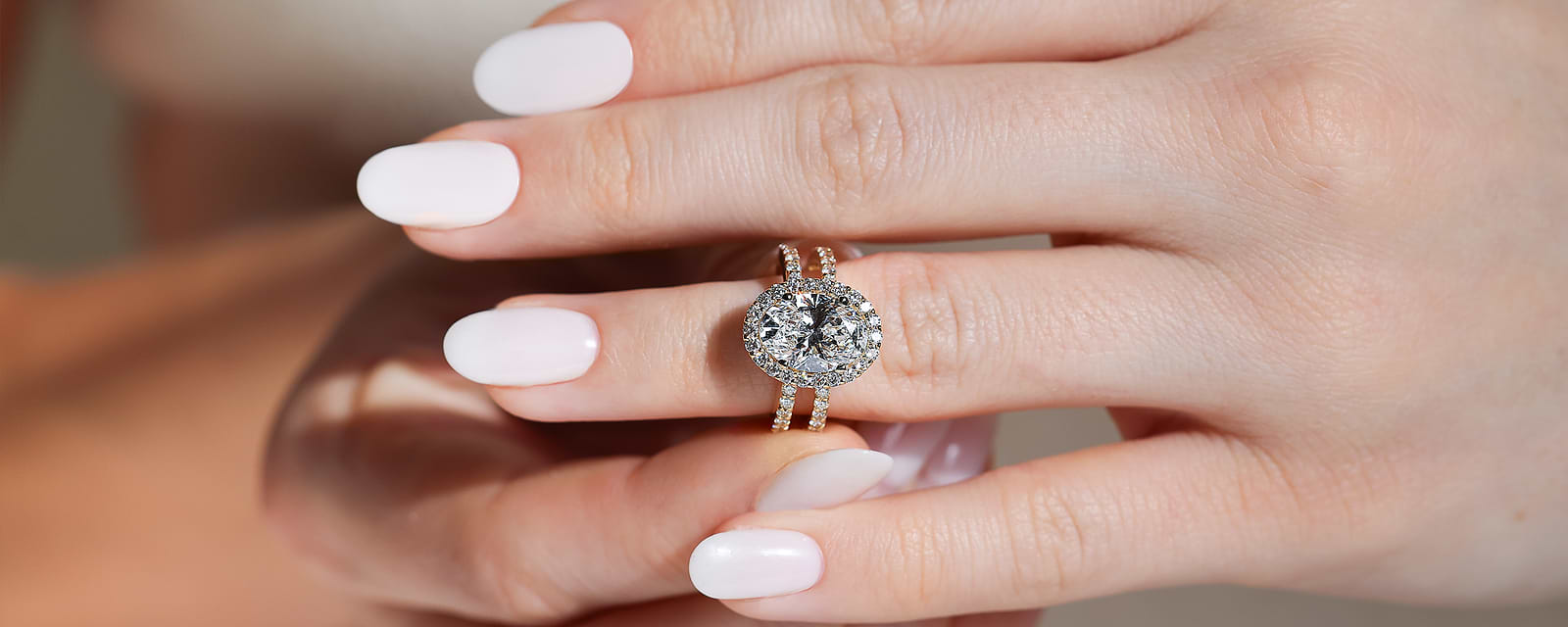
I remember the first time I tried on a white gold ring. It was at a small boutique jeweller tucked away in Melbourne’s laneways — the kind of place that smells faintly of polished timber and espresso. The ring was simple, elegant, and cool to the touch. It wasn’t loud or overly ornate, yet somehow it caught the light in a way that yellow gold never quite did.
That’s the quiet power of white gold. It doesn’t need to shout to be noticed.
Over the last few years, I’ve noticed a steady shift in the jewellery world — people, especially younger Australians, are rethinking what luxury means. It’s no longer about the biggest rock or the flashiest setting. It’s about balance — between beauty, value, and ethics. And right at the heart of that shift sits the white gold ring, often paired with lab made diamonds that are rewriting the rules of modern elegance.
What Makes White Gold So Special?
You might not know this, but white gold isn’t found naturally — it’s an alloy, a blend of pure yellow gold and other metals like palladium, silver, or nickel. That mix gives it strength, durability, and its signature silvery hue.
To achieve that bright, mirror-like shine, jewellers often coat it with rhodium — a precious metal from the platinum family. The result? A luminous, contemporary finish that looks effortlessly sophisticated, whether you’re wearing it with jeans or a wedding gown.
What I personally love about white gold is how adaptable it is. It pairs beautifully with diamonds, sapphires, emeralds — practically any gemstone you can imagine. It’s modern without feeling cold, and classic without being stuffy. There’s a subtlety to it that yellow or rose gold can’t always match.
Why Australians Are Falling in Love With White Gold Rings
In Australia, we’ve always had a bit of a soft spot for understatement. We like things that are refined but relaxed — a perfectly tailored suit with sneakers, a backyard barbecue with premium wine. A white gold ring fits right into that ethos.
It complements our sun-kissed skin tones, it doesn’t tarnish easily, and it matches the easy elegance many of us gravitate toward. And unlike silver, it doesn’t need polishing every second weekend.
Another thing: white gold feels timeless. Trends come and go — remember the chunky rose gold phase around 2016? — but white gold has managed to stay quietly relevant through every wave of jewellery fashion. Whether it’s an engagement ring or a subtle everyday piece, it never looks out of place.
If you’re considering one, have a look at this white gold ring collection. It’s a great example of how contemporary jewellers are mixing classic craftsmanship with modern, ethical materials.
The Rise of Ethical Jewellery: Where White Gold Meets Lab Diamonds
Here’s something that genuinely surprised me when I first started writing about jewellery: how much the industry has changed in just a decade.
Ten years ago, few people talked about where their diamonds came from. Now, transparency is everything. Consumers — especially millennials and Gen Z — are asking hard questions about sourcing, sustainability, and social responsibility.
That’s where lab made diamonds come in. And honestly, I think they’re one of the most fascinating innovations in modern jewellery.
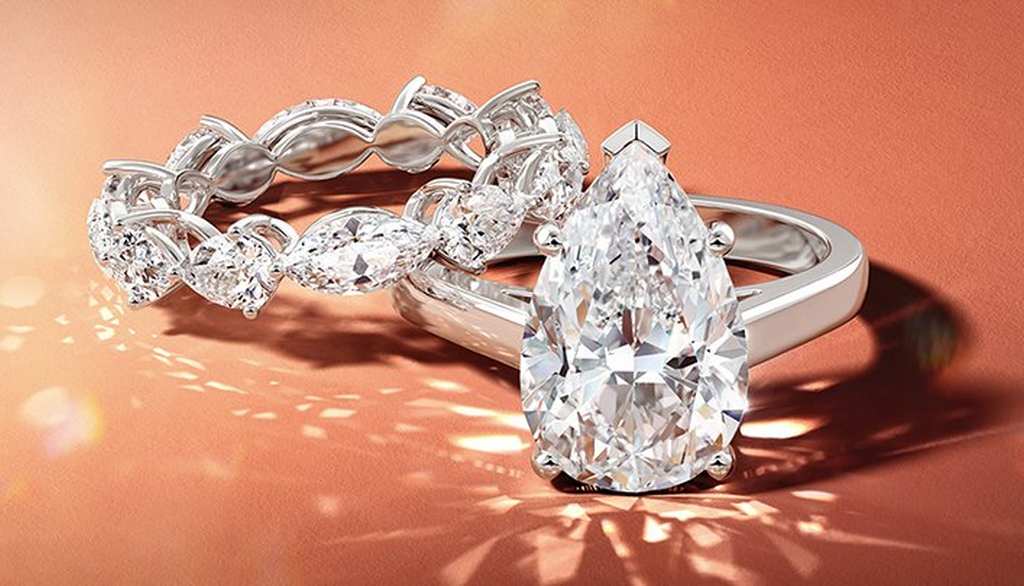
These aren’t “fakes” or simulants like cubic zirconia. They’re real diamonds — chemically, physically, optically identical to mined ones. The only difference is how they’re created. Instead of being pulled from the earth through intensive mining, lab diamonds are grown using advanced technology that replicates the natural formation process.
They sparkle the same, they test the same, and to the naked eye — even to a trained jeweller — they’re indistinguishable. The kicker? They come without the environmental and ethical baggage often associated with traditional diamond mining.
If you’re curious about where to start, there’s a great guide on how to find reputable jewellers that sell lab made diamonds. It breaks down what to look for and how to make sure you’re getting genuine quality.
The Practical Side: Durability, Maintenance, and Real-World Wear
Now, let’s talk practicalities — because a piece of jewellery isn’t just meant to be admired in a box. It’s meant to be worn.
White gold is pretty durable, which makes it ideal for engagement rings or pieces you’ll wear every day. Still, like any precious metal, it does require a bit of care. The rhodium plating that gives white gold its lustre can wear over time — usually after a few years — so most jewellers recommend having it replated every so often to keep that shine.
It’s not a huge hassle, and most reputable jewellers will include that as part of their ongoing care service. But it’s worth knowing before you invest.
Also, if you have sensitive skin, look for white gold that’s alloyed with palladium instead of nickel. It’s hypoallergenic and just as strong — something I wish I’d known before my first pair of white gold earrings, which gave me an unexpected rash at a friend’s wedding!
White Gold vs. Platinum: The Subtle Differences
People often ask, “Why not just go for platinum instead?” Fair question — and I’ve had the same debate with more than one jeweller.
Platinum is naturally white, extremely durable, and slightly heavier. It’s also more expensive, often significantly so. The difference in appearance, though, is subtle. Most people wouldn’t be able to tell them apart side by side.
White gold offers a similar aesthetic at a more accessible price point, which means you can invest more in the diamond or design. And if you pair it with a lab-grown diamond, you’re looking at a stunning, ethically sound piece that doesn’t drain your savings account.
So unless you have a particular reason to splurge on platinum, white gold is often the smarter, more balanced choice.
The Emotional Side of Jewellery
I think we sometimes forget that jewellery isn’t just metal and stones — it’s memory. It’s emotion cast into form.
A ring might symbolise love, achievement, independence, or simply a moment you wanted to remember. The beauty of a white gold ring is that it carries that meaning with quiet grace. It doesn’t distract from the story — it frames it.
I once interviewed a jeweller from Sydney who told me, “People rarely come to me just for a ring. They come to me for what the ring represents.” That’s always stayed with me.
When you think of it like that, the value of the metal or diamond almost becomes secondary. What matters most is how it feels — on your finger, and in your life.
How to Choose the Right White Gold Ring for You
If you’re shopping for one — whether it’s an engagement ring, an anniversary gift, or a “just because” moment — here are a few things worth keeping in mind:
-
Understand your gold’s karat:
18k white gold is the sweet spot for most people — it offers a great balance between purity and durability. 14k is slightly harder and more affordable, while 24k is too soft for everyday wear. -
Think about stone setting:
White gold complements diamonds and coloured gemstones equally well. For a classic look, go for a solitaire or halo setting. If you want something more contemporary, look at bezel or tension settings. -
Ask about rhodium plating:
Make sure your jeweller offers re-plating or polishing services — it’ll keep your ring looking fresh for years. -
Pair it thoughtfully:
If you wear other jewellery, consider how your ring will sit alongside those pieces. White gold blends beautifully with platinum or silver but can clash slightly with yellow tones if overdone. -
Go ethical if you can:
Choosing lab-grown diamonds or recycled gold isn’t just a trend — it’s a step toward a more sustainable industry.
What’s Next for White Gold and Lab Diamonds?
If I had to guess, I’d say the future of fine jewellery is going to be defined by transparency and technology. Lab-grown diamonds are already disrupting the traditional market, and white gold remains one of the most popular choices for both engagement and fashion rings.
We’re also seeing jewellers experiment more — mixing white gold with unexpected materials like ceramic or titanium, and introducing textured finishes instead of traditional polish. It’s a nod to the individuality people crave today.
And as for diamonds, lab-grown stones are getting bigger, clearer, and more affordable by the year. Some of the most stunning pieces I’ve seen recently have come from local Australian designers who are proudly embracing sustainable production without sacrificing luxury.
A Final Thought
Jewellery, when you think about it, is one of the most personal forms of self-expression we have. It tells stories that words often can’t.
A white gold ring might seem simple at first glance, but it’s so much more than a pretty accessory. It’s a balance of strength and subtlety, tradition and innovation. Whether it’s paired with a mined stone or one of the new generation of lab made diamonds, it represents something timeless — the idea that beauty and conscience can coexist.
So next time you’re browsing through a jeweller’s window, or scrolling through a catalogue late at night, take a second look at the white gold pieces. They might not be the flashiest thing in the room, but trust me — they’ll still be shining decades from now.








/https://tf-cmsv2-smithsonianmag-media.s3.amazonaws.com/filer/hope-diamond-hero.jpg "Man Made Diamonds Necklaces and Lab Made Diamonds: A Modern Jewelry Revolution")


